Facebook
 X
X
 Pinterest
 Copy Link
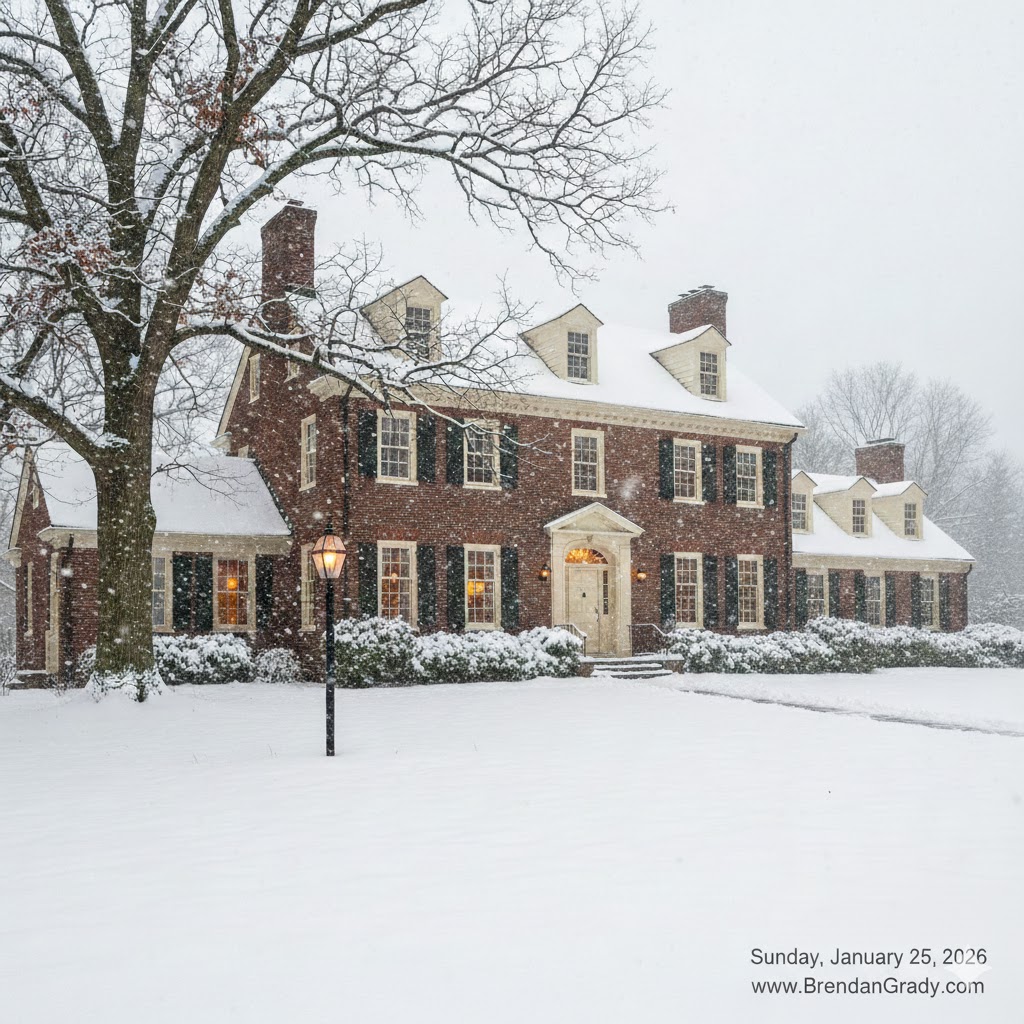
As a real estate professional deeply rooted in Greater Hartford, I’ve witnessed firsthand how Connecticut’s legendary winter storms shape our communities, our homes, and our collective memory. These historic blizzards aren’t just weather events—they’re defining moments that tested the resilience of Connecticut residents and forever changed how we prepare for winter in New England.
Whether you’re considering buying a home in Greater Hartford or simply want to understand what makes our region unique, knowing the history of Connecticut’s most devastating winter storms offers valuable perspective on the strength and character of our communities.
The Great Blizzard of 1888: The Storm That Changed Everything
On March 11, 1888, Connecticut experienced what remains the most devastating blizzard in American history. The Great Blizzard of 1888, also known as the “Great White Hurricane,” paralyzed the entire East Coast for three days and set a benchmark that no subsequent storm has matched.
What Made the 1888 Blizzard So Devastating?
The storm caught Connecticut completely off guard. On March 11, residents awoke to mild temperatures and rain. The Hartford Courant confidently predicted the precipitation would pass quickly. By mid-morning on March 12, however, a massive black cloud swept across the state, temperatures plummeted to 15 degrees below zero, and visibility vanished in blinding snow.
The Numbers Tell the Story:
• Connecticut received between 20 and 50 inches of snow across various regions
• Wind speeds exceeded 45 mph, creating hurricane-force conditions
• Snow drifts reached 12 feet throughout the state
• New Haven recorded snowdrifts measuring an astounding 40 feet
• More than 400 people died across the East Coast
• Total damage exceeded $20 million (1888 dollars)
• The storm lasted three full days, from March 12-14
The impact was catastrophic. Trains became completely marooned, unable to move through massive drifts. Telegraph lines collapsed under the weight of ice and snow, cutting off communication between cities. Hartford, New Haven, and other Connecticut communities found themselves completely isolated, unaware of conditions even in neighboring towns.
Workers earned $1.75 per day to dig out the state, using horses and oxen to pull snowplows through seemingly impossible drifts. In areas where snow accumulated too high for conventional clearing, crews dug tunnels through the snow so residents could move between buildings.
The Legacy: The devastation from the Blizzard of 1888 directly led to the decision to move critical infrastructure underground. The collapse of above-ground telegraph and power lines during the storm prompted cities to bury these systems, fundamentally changing urban infrastructure across the Northeast.
The Blizzard of 1978: Connecticut’s “Storm Larry”
Nearly a century later, on February 5-7, 1978, Connecticut faced another historic blizzard that remains etched in the memory of anyone who lived through it. Known locally as “Storm Larry,” this catastrophic nor’easter brought Connecticut to its knees with an unprecedented 33 hours of continuous heavy snowfall.
What Made Storm Larry Different:
• The storm lasted an unprecedented 33 hours of continuous snowfall
• Connecticut received approximately 2 feet of snow combined with 70 mph winds
• Wind gusts reached 86 mph in some coastal areas
• Massive snowdrifts made roads impassable for days
• Over $25 million in damage (1978 dollars)
• President Jimmy Carter declared it a federal disaster
• The State of Texas sent 547 soldiers to help Connecticut with cleanup and evacuations
Governor Ella T. Grasso took the unprecedented step of ordering all roads in Connecticut closed except for emergency travel—a closure that lasted three days. This marked one of the first times a state governor had implemented such sweeping restrictions.
The storm caught many by surprise due to inaccurate weather forecasts. What meteorologists initially predicted as a manageable snowfall transformed into a monster storm that paralyzed the entire region. Hundreds of residents along Connecticut’s coastline required evacuation as the storm surge combined with heavy snow created life-threatening conditions.
Snowmageddon: The Halloween Storm of 2011
On October 29, 2011, Connecticut experienced one of the most unusual and damaging winter storms in state history. The timing made it extraordinary—a major snowstorm in late October, when trees still had full foliage.
The Unprecedented October Blizzard:
• 12-24 inches of snow fell across Connecticut on October 29, 2011
• Snow fell on trees still heavy with autumn leaves
• 830,000 people lost power—breaking all previous records
• 10 deaths directly attributed to the storm
• Governor Dannel Malloy declared a state of emergency
• Estimated damages exceeded $3 billion
• Some customers remained without power for over 10 days
• Power wasn’t fully restored until November 9
What made “Snowtober” particularly devastating was the combination of heavy, wet snow and leaf-covered trees. The weight proved catastrophic. Tree limbs and entire trees crashed down across Connecticut, taking power lines with them and blocking roads throughout the state.
The storm’s impact on Connecticut’s power infrastructure was the worst in state history. Close to 700,000 homes and businesses remained without power days after the storm ended. Residents coped by sleeping at friends’ homes that had power, showering at work, and storing perishable food outside.
The Blizzard of 2013: Winter Storm Nemo
On February 8-9, 2013, Connecticut faced its most significant blizzard of the 21st century. Winter Storm Nemo (named by The Weather Channel) delivered record-breaking snowfall and created a new state record that stands to this day.
Record-Breaking Snowfall:
• Hamden, Connecticut recorded 40 inches—the highest total in the state
• Milford received 38 inches, the second-highest total
• Ansonia recorded 36 inches in 24 hours—setting a new Connecticut state record for 24-hour snowfall
• Snow fell at rates up to 6 inches per hour
• Wind gusts reached 84 mph off the Connecticut coast
• Hurricane-force winds combined with blinding snow created complete whiteout conditions
• Governor Malloy closed all limited-access highways at 4:00 p.m. on February 8
• All roads in Connecticut were closed except for essential vehicles
The storm’s intensity was remarkable. At peak snowfall, accumulation reached 4-6 inches per hour across much of the state, accompanied by thunder and lightning—a phenomenon known as “thundersnow” that signals extraordinary atmospheric conditions.
Connecticut Light and Power and United Illuminating prepared for worst-case scenarios, anticipating 30% of customers would lose power and bringing in out-of-state line crews before the storm even arrived.
What These Storms Mean for Greater Hartford Homeowners
As someone who helps families find their perfect home in Greater Hartford, I believe understanding Connecticut’s winter storm history is essential for both current and prospective homeowners.
Key Considerations for Homebuyers:
**Infrastructure Resilience**: Modern Connecticut homes benefit from lessons learned over 135 years of historic storms. Underground utilities, improved building codes, and stronger infrastructure make today’s properties far more resilient than those of past generations.
**Roof Strength**: Historic Connecticut homes, particularly in communities like Wethersfield, West Hartford, and Hartford’s Asylum Hill neighborhood, were often built with steep roof pitches specifically designed to shed heavy snow loads—a design feature born from hard-won experience.
**Backup Power**: Many Greater Hartford properties now include backup power systems, particularly after the devastating Halloween Storm of 2011. This is a valuable feature to consider when evaluating homes.
**Tree Management**: Mature trees add tremendous value and beauty to Connecticut properties, but proper maintenance and strategic placement away from structures and power lines became a priority after Snowtober demonstrated the dangers of unmaintained trees.
**Emergency Preparedness**: Connecticut communities have developed sophisticated emergency response systems refined through generations of winter storms. This infrastructure adds real value to properties in established neighborhoods.
Why Connecticut’s Storm History Matters for Real Estate
Connecticut’s ability to withstand and recover from these historic storms speaks to the resilience and character of our communities. From the Great Blizzard of 1888 to Winter Storm Nemo in 2013, Connecticut residents have demonstrated remarkable strength, adaptability, and community spirit.
These storms have shaped everything from our infrastructure and building codes to the way neighbors look out for each other during difficult times. That spirit of resilience is part of what makes Greater Hartford such a special place to call home.
Looking for Your Perfect Greater Hartford Home?
Whether you’re drawn to the historic charm of Wethersfield, the vibrant urban renaissance of downtown Hartford, the family-friendly neighborhoods of West Hartford, or the colonial character of communities throughout Greater Hartford, I bring deep market knowledge and genuine appreciation for what makes our region special.
As Connecticut enters each winter season, our communities are better prepared than ever—with modern infrastructure, improved forecasting, and the collective wisdom gained from over a century of historic storms.
Let’s Connect
Ready to find your place in Greater Hartford? I’d love to help you discover the perfect home in a community with character forged through generations of resilience.
Contact Brendan B. Grady:
Phone: (860) 729-8800
Email: brendan.grady@cbmoves.com
Because buying a home in Greater Hartford isn’t just about square footage and amenities—it’s about joining communities that have weathered every storm and emerged stronger.
—
Sources: Connecticut History, National Weather Service, Northeast Regional Climate Center, Weather Underground
Ready to Discuss Your Connecticut Real Estate Goals?
Whether you are buying, selling, downsizing, or planning your next move in West Hartford or another Greater Hartford community, contact Brendan B. Grady for local guidance tailored to your goals.
Call or text Brendan directly at 860-729-8800 or email brendan.grady@cbmoves.com.