Facebook
 X
X
 Pinterest
 Copy Link
When homeowners start thinking about the next stage of life, the conversation often gets simplified too quickly. People hear terms like downsizing, retirement communities, or 55+ living and assume the decision is mostly about age.
In reality, it is usually about lifestyle.
For many homeowners, the real question is not simply whether to move. It is whether their current home still fits the way they want to live over the next 5, 10, or 15 years. That is a much more personal and much more important decision.
A recent roundup of the most popular active adult communities in the country reflects a real pattern: many people are looking for lower-maintenance living, strong amenities, and a built-in sense of community. At the same time, broader housing research shows that many older homeowners still want flexibility, independence, and control over what comes next.
That is why retirement housing choices deserve a wider conversation than just “stay” or “go.”
Most Homeowners Are Not Choosing Between Only Two Extremes
One of the biggest misconceptions in this category is that the choice is either to remain in a longtime family home forever or move directly into a 55+ community.
For many people, the actual range of options is much broader.
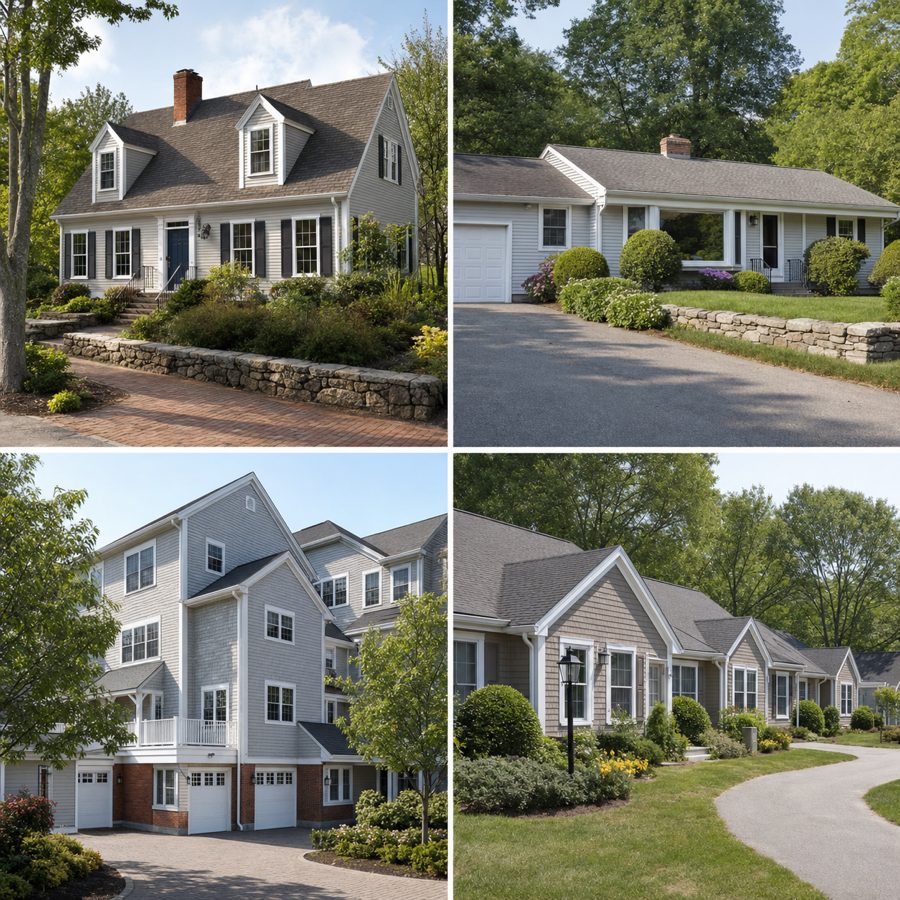
Some homeowners want to stay in their current home but make it easier to live in. Others want a smaller single-family home with less upkeep. Some prefer a one-floor layout, a condo, or a townhome. Others are drawn to active adult communities because they like the idea of amenities, social connection, and a more lock-and-leave lifestyle. And some decide this is the right time to leave the area entirely and build the next chapter somewhere new.
That is why this decision works best when it starts with goals, not labels.
Why 55+ Communities Get So Much Attention
There is a reason 55+ communities continue to attract interest.
The appeal is not just the age restriction. It is what that housing style often represents: less exterior maintenance, simplified living, recreational amenities, organized social opportunities, and a community of people who are in a similar season of life.
For some sellers, that is exactly the right fit.
If the priority is reducing upkeep, gaining convenience, and enjoying a more lifestyle-oriented setting, an active adult community can make a great deal of sense. The popularity of these communities also shows that many homeowners are not only looking for a smaller house. They are looking for a different way to live.
But that does not mean it is the right answer for everyone.
Many Sellers Want Flexibility Just as Much as Amenities
National research paints a more nuanced picture.
AARP’s 2024 Home and Community Preferences Survey found that 75% of adults age 50 and older want to remain in their current home as they age, and 73% want to stay in their current community. At the same time, 44% say they still expect a move at some point. NAR’s 2026 generational housing data also shows that baby boomers remain a major force in the market, accounting for 42% of buyers and 55% of sellers. Census reporting has also shown that when older adults do move, many stay relatively close to where they already live.
That combination matters.
It tells us that many homeowners are not rushing toward one standard retirement-living model. They are trying to balance familiarity, convenience, finances, health, family proximity, and quality of life. In other words, they are looking for the right fit, not a one-size-fits-all answer.
The Best Next Move Usually Starts With the Right Questions
Before choosing a housing type, it helps to step back and ask better questions.
For example:
- Do you want less maintenance, or do you want a completely different lifestyle?
- Is the goal to reduce monthly costs, simplify space, or improve daily convenience?
- Do you want to stay near family, friends, doctors, and familiar routines?
- Would a smaller home solve the issue, or is the real goal more community and more activity?
- If you move, do you want to buy locally, relocate elsewhere, or keep your options open?
These are the kinds of questions that lead to better outcomes.
The house itself matters, of course. But for most people, the deeper issue is how they want everyday life to feel in the years ahead.
Selling a Longtime Home Is Part Financial Decision, Part Life Decision
For homeowners in their 60s and 70s, selling is rarely just a transaction.
It often involves decades of memories, a major financial asset, and a real shift in identity. That is why the best planning usually starts before the home hits the market. A thoughtful strategy can help clarify timing, pricing, possible proceeds, and what range of next-step options are truly realistic.
That includes people who are:
- considering a move to a 55+ community
- looking for a smaller or easier home nearby
- planning to leave the area and start fresh somewhere else
- still deciding whether moving is the right step at all
A good plan creates options. And in this stage of life, options matter.
The Right Housing Choice Should Support the Life You Want Next
The strongest retirement housing decisions are not driven by trend pieces or broad assumptions. They are driven by clarity.
For some homeowners, that clarity points toward a 55+ community. For others, it points toward a condo, a smaller house, a one-level layout, or staying put a little longer with a different long-term plan. The right answer depends on what kind of life the homeowner wants to build next.
That is why this conversation is so important.
Housing choices in this stage of life should make daily living easier, not more complicated. They should support independence, comfort, flexibility, and peace of mind. And ideally, they should be made from a position of strength, not urgency.
Let’s Connect
If you are starting to think about downsizing, retirement housing choices, or what kind of move may make sense in the next stage of life, it helps to begin with a clear plan.
If you would like to talk through timing, options, and how your current home fits into that picture, let’s connect.
Brendan B. Grady
Broker
Coldwell Banker Realty
860 729-8800
www.brendangrady.com
#DownsizingOptions #RetirementHousingChoices #RetirementLiving #55PlusCommunities #ActiveAdultLiving #HomeSelling #NextStageLiving #55places #WestHartford #FarmingtonCT #AvonCT #SimsburyCT #GlastonburyCT #WethersfieldCT #NewingtonCT #RockyHillCT #BerlinCT #SouthingtonCT #CantonCT #BurlingtonCT #HartfordCounty
Ready to Discuss Your Connecticut Real Estate Goals?
Whether you are buying, selling, downsizing, or planning your next move in West Hartford or another Greater Hartford community, contact Brendan B. Grady for local guidance tailored to your goals.
Call or text Brendan directly at 860-729-8800 or email brendan.grady@cbmoves.com.